At just 38 years of age, Cardinal Rafael Merry del Val assumed one of the most influential positions in the Church upon being appointed Vatican secretary of state by St. Pius X.
A brilliant diplomat born into an aristocratic family, the cardinal had an exceptional intellectual background, spoke several languages, ??and earned the pope's trust through his discreet loyalty and profound interior life.
Merry del Val was already working in the Curia during the pontificate of Leo XIII. Following the pope's death, he was appointed secretary of the 1903 conclave, an event marked by the historic veto exercised by the Austro-Hungarian emperor against Cardinal Mariano Rampolla del Tindaro, who was considered a top favorite to succeed Leo XIII. That episode altered the course of the election and paved the way for Cardinal Giuseppe Sarto, the future St. Pius X, to become pope.
"When he was named pope, he went to the 'Chapel of Tears' to pray, and he even wept. It was a time of great persecution for the Church, and he felt that perhaps he was not up to the task, as the situation required someone of great fortitude," Father Álvaro Serrano Bayán explained to EWTN News Español, the Spanish-language sister service of EWTN News.
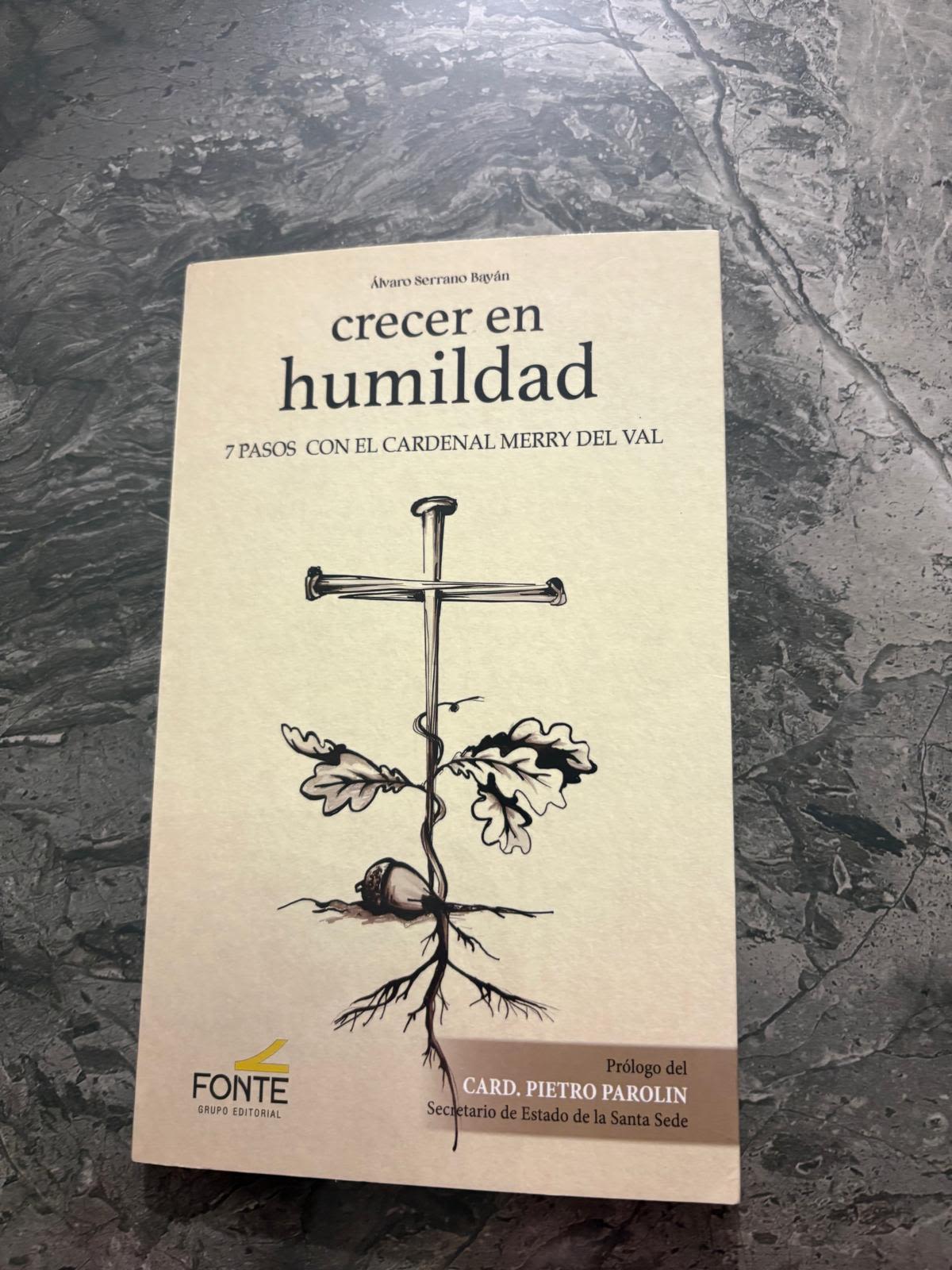
Serrano is the author of the Spanish-language book "Growing in Humility: 7 Steps with Cardinal Merry del Val," published by Editorial Monte Carmelo, a work that highlights the rich spiritual life of the Spanish cardinal.
St. Pius X was fully aware of the complex situation the Church was facing at the beginning of the 20th century, and he doubted whether he possessed the strength required to take on such a mission. Amid this uncertainty, Merry del Val approached the newly elected pontiff to encourage him to accept the burden of the Petrine ministry. This gesture of reaching out left an indelible mark.
"It was at a most difficult, most intimate moment. He knew how to reach out, and the pope recognized him as someone he could trust," Serrano explained.
7 years researching the life of Merry del Val
An aerospace engineer who also holds degrees in history and communications, Serrano, who comes from a town in Extremadura, Spain, has spent seven years tracking down personal letters, homilies, spiritual direction, and scattered writings by the author of the renowned Litany of Humility. The result is a collection of 380 spiritual counsels accessible to the contemporary reader.
It all began almost by chance. While he was a seminarian, he came across the well-known litany attributed to Merry del Val. Those prayers sparked a curiosity that would eventually turn into an extensive investigation.
"The more I learned about Merry del Val, the more I grew to appreciate his writings — his homilies, his spiritual direction, and his letters to people, whether to those he directed or to other people he knew," the priest recounted.
That fascination led him to spend years exploring archives and publications, eventually transforming all that material into a meditation focused on one of the virtues most difficult to practice in our day: humility. Meanwhile, the cause for the canonization of Servant of God Rafael Merry del Val continues to proceed.
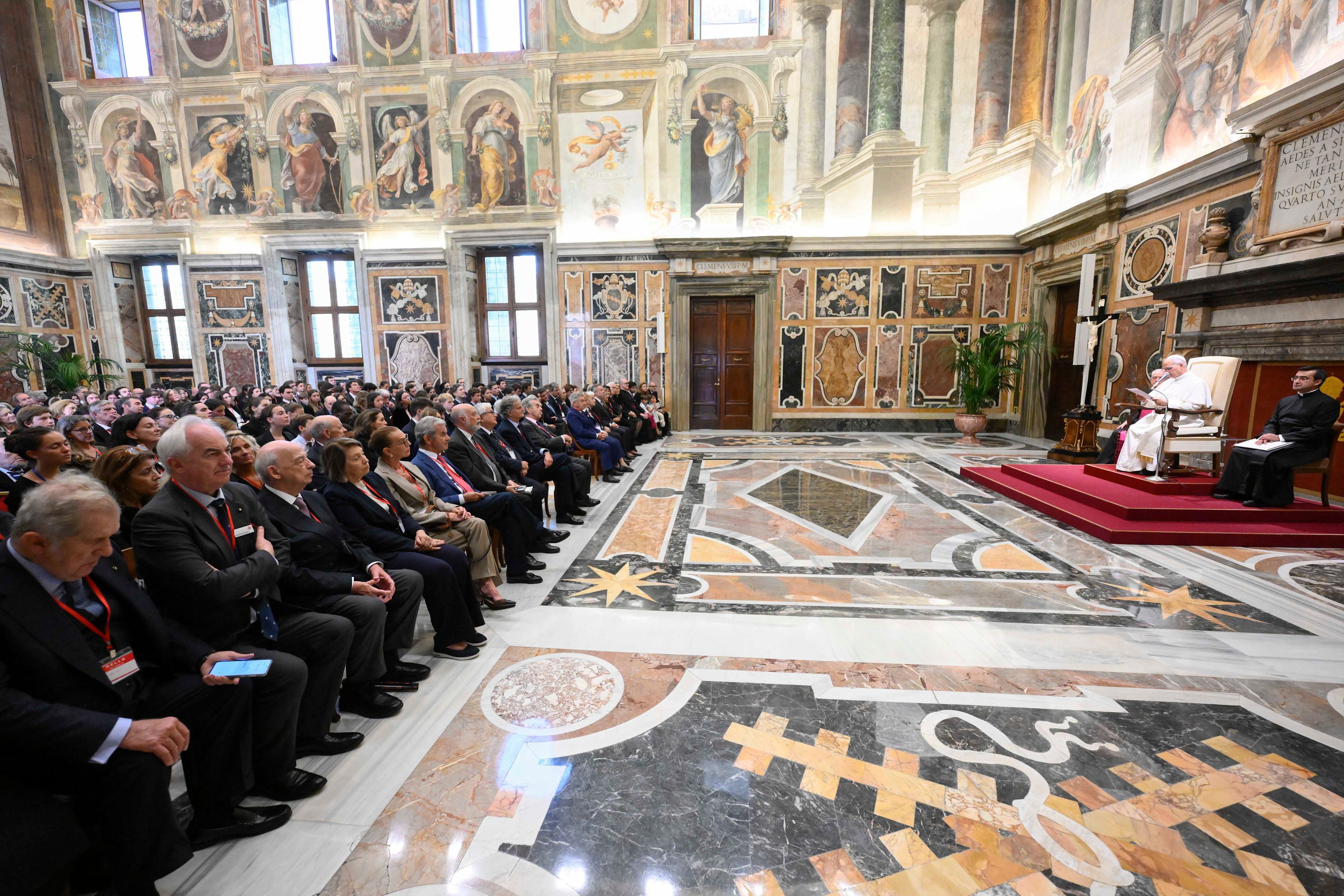
This year also marks 96 years since the death of one of the most significant figures in the Church during the 20th century. Last October, at the Vatican, Pope Leo XIV received members of the Merry del Val study group, a meeting that took place in the context of the 160th anniversary of his birth in London in 1865.
The humus of humility
The book, which features a prologue by Cardinal Pietro Parolin, the current secretary of state of the Holy See, proposes a seven-stage spiritual journey inspired by the Latin word "humus," meaning fertile soil. "That is where the word 'humility' comes from," Serrano explained.
Drawing on this image, the author develops an analogy between working the land and spiritual growth. Just as the soil must be tilled, watered, and sown before it can bear fruit, the soul must allow itself to be cultivated by God in order to attain the fullness of the Christian life.
The work can be read from beginning to end, used as a guide for personal prayer, or even "a go-to book to use when adoring the Blessed Sacrament," the priest explained.
"The journey culminates in the figure of Mary, presented as the Lord's fruit par excellence," he emphasized.
A virtue for times of self-centeredness
For Serrano, the message of Merry del Val is particularly relevant in a culture marked by constantly seeking attention and an unceasing search for approval.
"Humility is walking in the truth, being good, telling it like it is without making ourselves out to be more or less than who we really are," he said, recalling a well-known teaching of St. Teresa of Jesus.
In his view, one of the great contemporary errors is to equate humility with undervaluing oneself. He therefore emphasized that "humility doesn't mean saying 'I'm worthless'; rather, humility is valuing ourselves a great deal. God created us, everything comes from God, and we don't need constant recognition from others to know who we are."
The purpose of the book, he explained, is to share a spiritual treasure that transformed his own life: "Something that has helped me so much, something that l have enjoyed so much, something of great importance that can contribute to the edification of the soul."
When your job doesn't define you
Perhaps one of the most appealing aspects of Merry del Val is precisely the consistency between his words and his way of life. It is relatively easy to practice humility when no one knows your name. What is truly difficult is doing so while holding one of the highest positions in the Church, Serrano noted.
"Merry del Val did not seek the position of secretary of state, nor did he build his identity around it. He knew that responsibilities come and go whereas the priesthood is a permanent reality. Positions come to an end; one's vocation remains," observed the priest, noting that this teaching remains as relevant as ever.
A person's worth, he continued, "doesn't depend on his job, his social standing, or his productivity, but rather on the dignity of being loved as a child of God."
Humility in the face of the 'me' culture
"Deliver me, O Lord, from the desire to be loved, esteemed, or preferred," Merry del Val prayed in one of the prayers that made him famous.
These words came from a man who, by human standards, had everything: noble birth, a solid education, command of several languages, and a brilliant ecclesiastical career. His message stands in stark contrast to an era dominated by social media and the need for constant recognition.
"A person who requires constant recognition from others — to begin with has low self-esteem. Furthermore, such a person is often quite arrogant," Serrano pointed out. In contrast to this mindset, Merry del Val suggested doing things out of love for God and for their inherent goodness, rather than for any social reward they might bring.
The position of being the second most powerful man in the Holy See might have fueled the vainglory of any man, the priest noted. Yet, for this illustrious servant of Christ and his Church, it was simply another opportunity to practice humility.
This story was first published by EWTN News Español, the Spanish-language sister service of EWTN News. It has been translated and adapted by EWTN News English.