On June 3, the archbishop of Prague and the German ambassador to the Czech Republic commemorated the biggest massacre of the German-speaking population in Czechoslovakia — some say in Europe — after World War II.
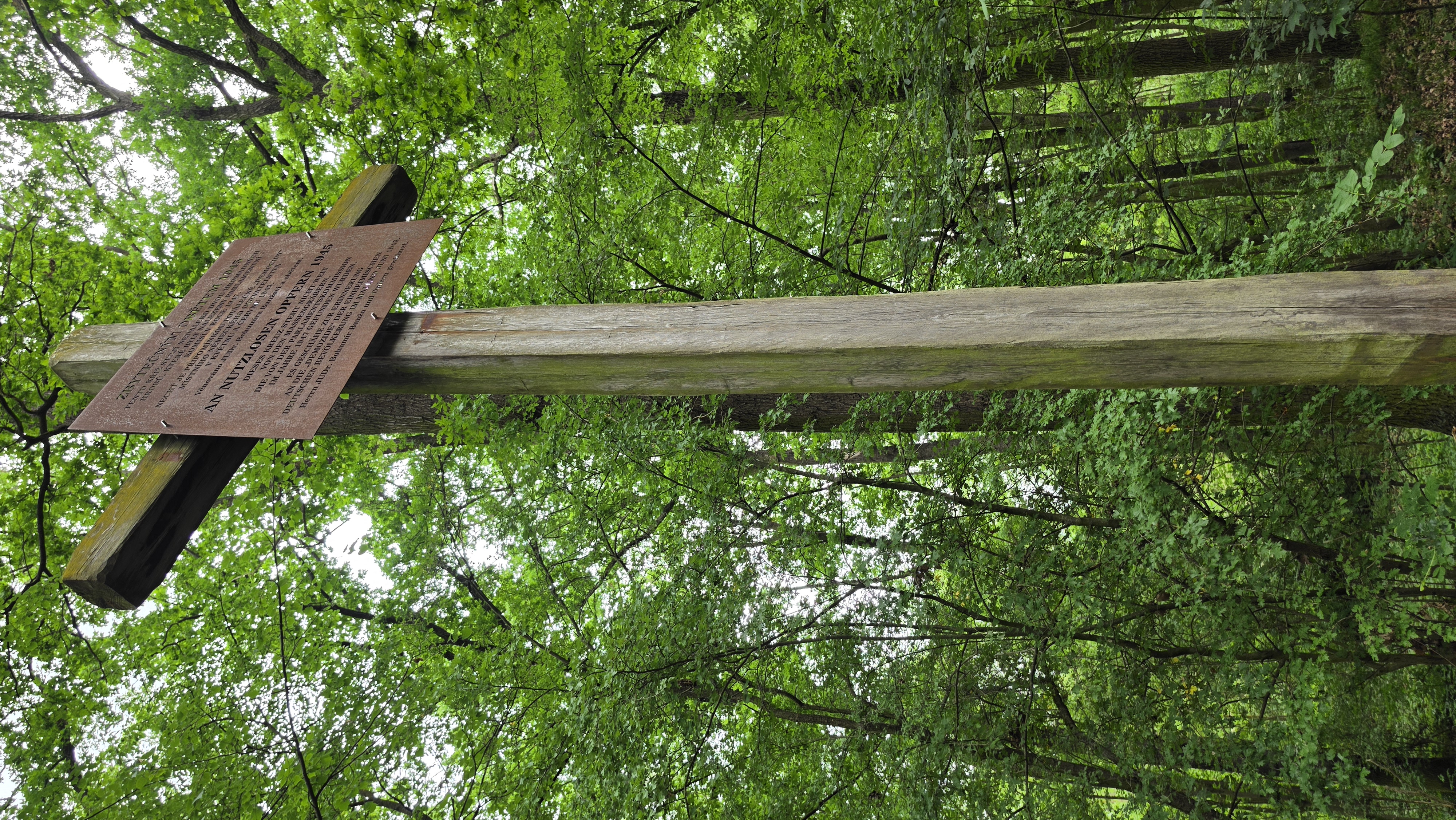
In the town of Postoloprty in May and June 1945, the Czechoslovak army killed at least 763 people, according to a 1947 Czechoslovak parliamentary commission, though the total number is estimated by some to be 1,000-2,000. They were mostly civilians put into mass graves, and no one was ever convicted.
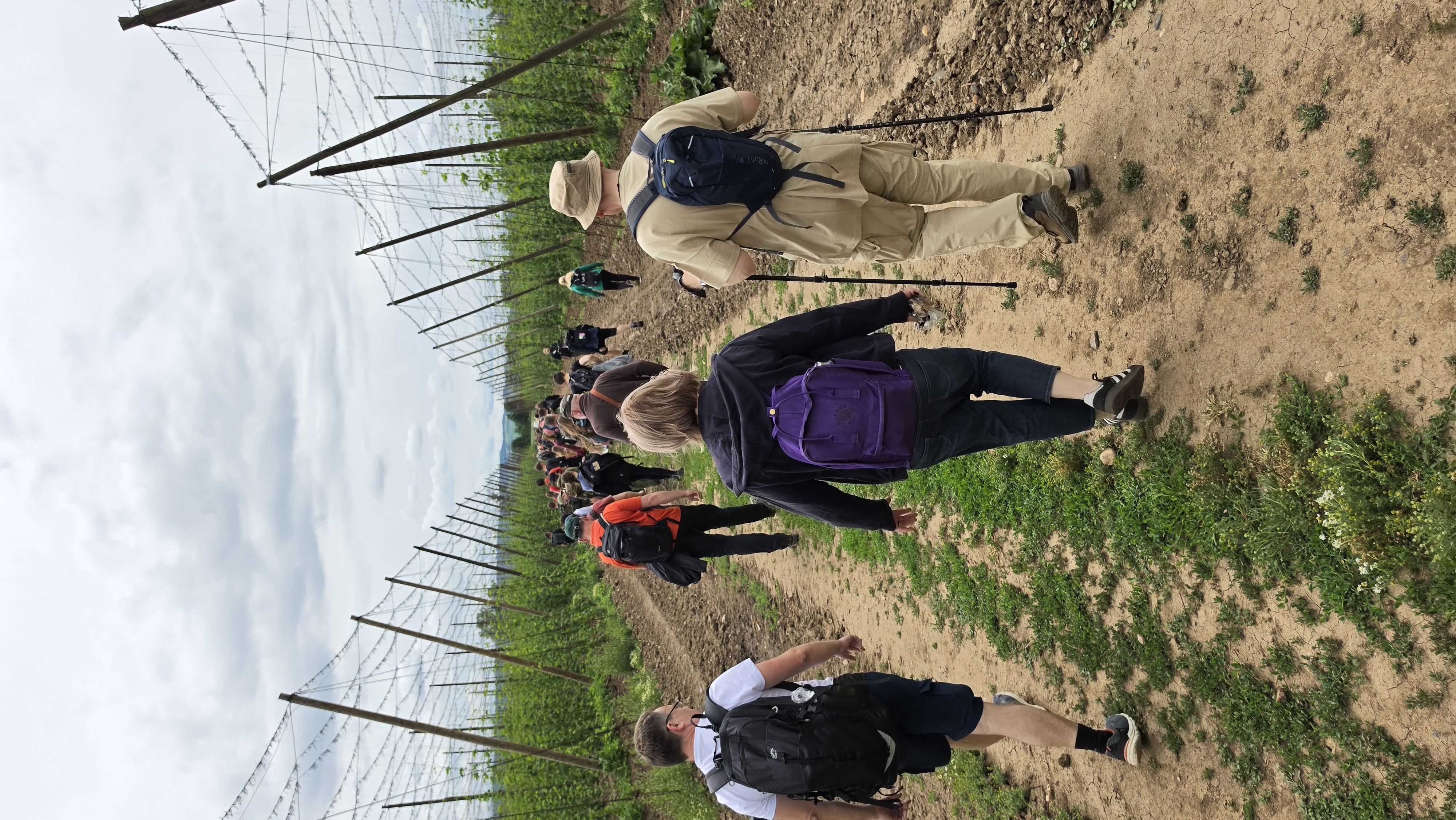
Archbishop Stanislav Pribyl; Rüdiger Heinrich, a military attaché from the German embassy; the faithful; and students from local schools and from Prague marched 10.5 miles from Postoloprty to Žatec. The marchers had the names of the victims written on a scarf, a stone, or a piece of cardboard to make them more visible and present.
The pilgrimage concluded at the Church of the Coronation of the Virgin Mary, where Pribyl celebrated Mass. German Ambassador Peter Reuss joined the ceremony.
In his homily, Pribyl admitted they were tired and sweaty. It was not just a walk from one city to another, but one through "the land of memory, through places where the history of our country touches on pain, guilt, helplessness, silence, and the desire for healing."
The topic of reconciliation is not raised to accuse anyone, "but because God invites us to the truth which is the first step towards reconciliation," the religious leader clarified and continued: "In a time when everyone believes he has his own truth and when our truths sometimes differ diametrically, we are invited to the truth that is known and spoken, but which is accompanied by mercy, because what good would it be for us to be right if we were left alone with it?"
The prelate saw the pilgrimage as a reminder that "peace is not created only by words, but sometimes by steps." It is "a quiet step" that says "I do not want to forget, I do not want to hate," the archbishop said.
The faithful bring to the Lord "the dead, known and unknown, families whose stories have been broken, silence that has often lasted too long," Pribyl recalled, adding: "We also bring our own fear of the truth and our own unwillingness to forgive."
He characterized the Eucharist and the Mass as "the deepest place of reconciliation." There, Christ does not proclaim that "the past does not matter or that sin is not sin," yet he does not reproach us, the prelate explained.
"The risen Lord had been crucified before and so comes among us not without wounds," Pribyl said. "But his wounds are healed, and by his wounds we are healed," the archbishop concluded.
Part of a Year of Reconciliation
The event was part of the Year of Reconciliation in the Diocese of Litomerice, which borders Germany. Pribyl declared it for 2026 while he was bishop of the diocese; he has since been appointed archbishop of Prague but remains its apostolic administrator.
Each month, a gathering takes place in a different location linked to atrocities before and after World War II. In May, for example, Pribyl presided over an ecumenical ceremony in Terezín (Theresienstadt), which served as a Nazi transit camp and propaganda showpiece during the war.
When Nazi Germany invaded Czechoslovakia, it established the Protectorate of Bohemia and Moravia. After Germany's defeat in 1945, some ethnic Germans were killed or died by suicide, and approximately 3 million were expelled from Czechoslovakia.